
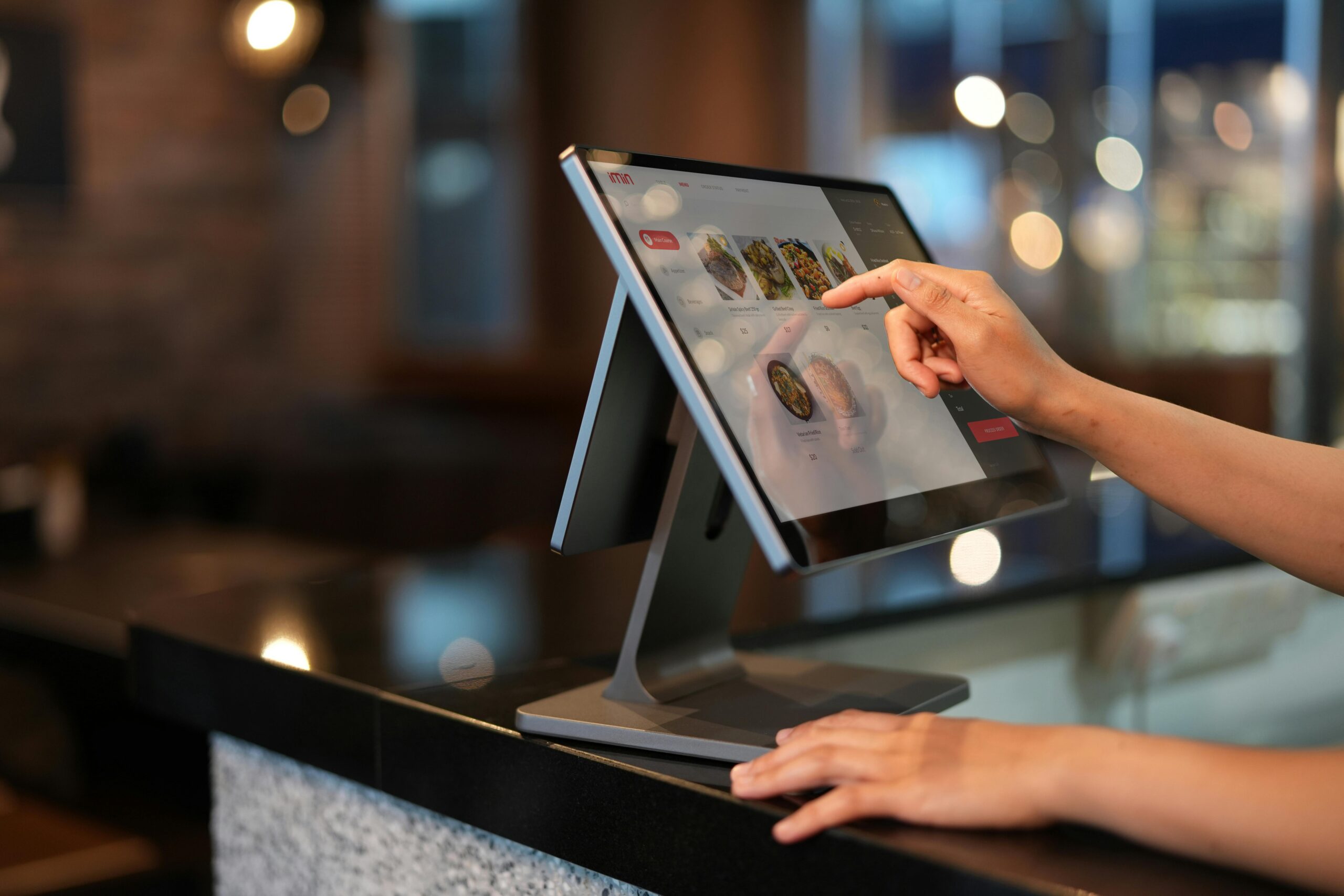
Choosing a restaurant POS system should not be based only on brand popularity or price. Every restaurant operates differently, and the right POS depends on your restaurant type, business goals, and daily operational challenges.
Start by clearly defining your restaurant model. A café, fine-dining restaurant, cloud kitchen, and QSR all have different requirements. For example, cloud kitchens need strong delivery integration, while fine-dining restaurants benefit more from table management and CRM features.
Next, analyze your daily operations. Identify problems you currently face such as slow billing, frequent order mistakes, poor inventory tracking, lack of reports, or difficulty managing staff. The best POS is one that directly solves these issues.
You should also consider whether you plan to expand. If you intend to open more outlets, choose a POS system that supports multi-location management, centralized dashboards, and role-based staff access.
Always request a live demo before purchasing. Test the billing flow, reporting dashboard, inventory module, and mobile compatibility. Involve your cashier or manager in the demo to ensure the system is easy to use in real working conditions.
Finally, evaluate customer support and training. Restaurant operations cannot stop due to technical issues. A good POS provider should offer fast support, onboarding assistance, and regular system updates.
Key Features to Look for in a Restaurant POS System
When comparing restaurant POS systems, focus on features that directly impact daily efficiency, cost control, and business growth.
Billing and Payment Processing
The POS should support fast billing, split bills, multiple payment modes, UPI, wallets, and GST-compliant invoices. Speed and reliability at the counter are essential to avoid long queues and order confusion.
Order and Kitchen Management
A strong POS system should manage dine-in, takeaway, and delivery orders in one place. Kitchen display systems or kitchen order tickets should update in real time to reduce preparation mistakes and delays.
Inventory and Recipe Management
Inventory tracking helps monitor ingredient usage, reduce wastage, and prevent stock shortages. Recipe-level tracking allows you to understand food cost, profit margins, and item-wise performance.
Reporting and Business Analytics
Your POS should provide daily sales reports, item performance analysis, peak hour data, tax reports, and outlet-wise performance tracking. Good analytics help you make informed business decisions rather than relying on assumptions.
Online Ordering and Delivery Integration
Modern restaurants depend heavily on online orders. The POS should integrate smoothly with food delivery platforms and online ordering systems to avoid manual entry and mismatched orders.
Staff Management and Controls
Look for features such as role-based access, order history, shift management, and activity logs. These tools improve accountability and reduce operational risks.
Cloud Access and Data Security
Cloud-based POS systems allow owners to monitor business performance from anywhere. Ensure the system offers secure data storage, regular backups, and system stability.
Scalability and Customization
As your restaurant grows, your POS should grow with it. Choose a system that supports multiple outlets, menu expansion, and feature upgrades without needing a complete system change.
Here are the 5 best restaurant POS systems in India that are popular, reliable, and built for Indian restaurant needs.
1. Sapaad – Best Cloud POS for Modern Restaurants
Sapaad is a powerful cloud-based restaurant POS system used by restaurants, cafés, and cloud kitchens across India. It is known for its clean interface, fast billing, and strong backend reporting.
Why Sapaad stands out:
- Cloud-based (access reports from anywhere)
- Fast billing & order management
- Inventory and recipe management
- Multi-outlet support
- Strong analytics and reporting
Best for: Cafes, QSRs, cloud kitchens, and growing restaurant brands.
Key features:
- Table & order management
- Kitchen display system (KDS)
- Real-time reports
- Third-party integrations
2. Petpooja – Most Popular POS in India
Petpooja is one of the most widely used restaurant POS systems in India. It’s built specifically for Indian restaurants and supports everything from small cafés to multi-location chains.
Why restaurants choose Petpooja:
- Made for Indian workflows
- Works online & offline
- Inventory & vendor management
- GST-friendly billing
- Delivery app integrations
Best for: Small to mid-size Indian restaurants.
3. Restroworks – Complete Restaurant Management Platform
Restroworks (formerly Posist) goes beyond POS and offers a full restaurant technology suite including CRM, online ordering, loyalty, and enterprise-level reporting.
Why it’s powerful:
- End-to-end restaurant ecosystem
- Centralized multi-outlet control
- CRM & loyalty tools
- Advanced data dashboards
Best for: Restaurant chains, franchises, and cloud kitchen brands.
4. LimeTray – POS with Online Ordering & CRM
LimeTray combines POS, digital ordering, CRM, and marketing tools. It’s ideal for restaurants that want to grow direct online orders and build customer databases.
Why LimeTray is useful:
- POS + website + ordering
- Customer data & loyalty
- Marketing automation
- Central dashboard
Best for: Restaurants focused on online growth and repeat customers.
5. DotPe – Best for QR & Contactless Ordering
DotPe is a modern POS platform focused on QR ordering and digital payments. Customers can scan, order, and pay from their phones, reducing staff load.
Why DotPe is trending:
- QR-based ordering
- Contactless payments
- Fast setup
- Integrated dashboards
Best for: Cafes, food courts, QSRs, and modern dine-in restaurants.
How to Choose the Best Restaurant POS in India
Before selecting a POS system, look at:
✔ Type of restaurant (dine-in, café, cloud kitchen, QSR)
✔ Inventory & reporting needs
✔ Ease of staff training
✔ UPI & payment integrations
✔ Scalability for future outlets
The right POS system can improve billing speed, reduce errors, control costs, and help grow profits.
Leave a Reply