
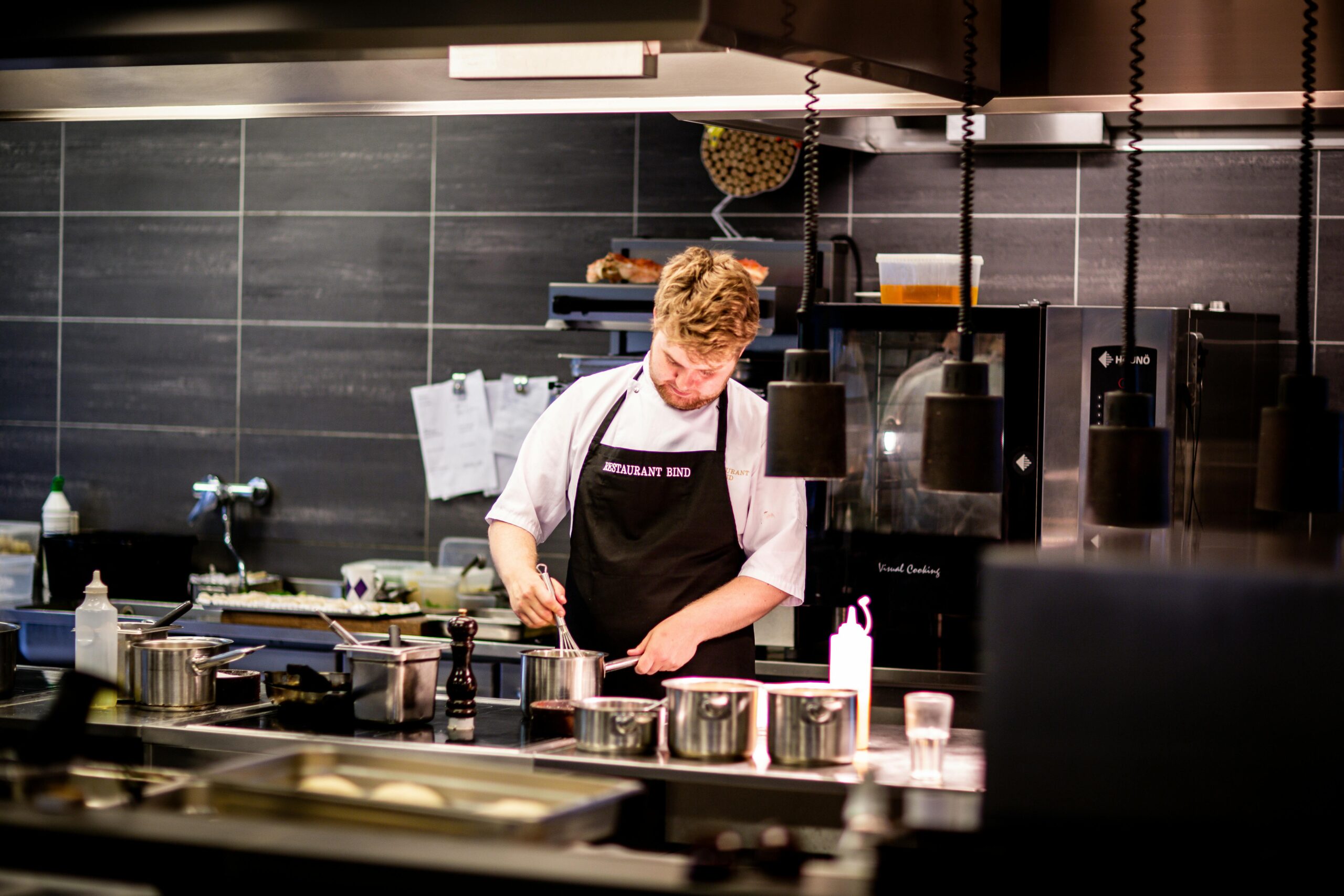
Cloud kitchens continue to grow rapidly in India as delivery-focused food businesses scale faster than ever. Unlike traditional restaurants, cloud kitchens do not rely on dine-in customers, and they focus on efficient order processing, delivery integration, inventory control, and kitchen operations. One of the most important technologies for a successful cloud kitchen is a reliable Point of Sale (POS) system that can manage orders, integrate with delivery platforms, track inventory, and provide actionable insights.
This guide highlights some of the best POS systems available for cloud kitchens in India in 2026, including key features and reasons why they are suitable for delivery-first operations.
What to Look for in a Cloud Kitchen POS
Before reviewing specific POS systems, it is important to understand the key requirements for cloud kitchen technology:
Order Management
Cloud kitchens need to handle orders from multiple sources such as delivery apps, online orders, and direct phone orders efficiently in one place.
Delivery Platform Integration
A good POS should integrate with popular delivery partners such as Swiggy, Zomato, and others, allowing automatic order sync and status updates.
Cloud-based Operations
Since cloud kitchens do not rely on physical dine-in systems, cloud-based POS options allow kitchen owners to access data remotely and manage multiple outlets from a central dashboard.
Inventory and Recipe Management
Tracking inventory in real time and linking it to recipes helps kitchens control costs, reduce wastage, and maintain consistent food quality.
Reports and Analytics
Cloud kitchens require detailed sales reports, peak order times, item performance tracking, and financial dashboards to make data-driven decisions.
Top POS Systems for Cloud Kitchen in India
- Sapaad
Sapaad is a cloud-based POS system that works well for delivery-focused kitchens, multi-brand kitchens, and cloud kitchen chains. It provides strong support for online ordering, menu management, delivery integrations, and operations monitoring.
Key features
- Order integration with delivery platforms
- Menu and recipe management
- Real-time inventory tracking
- Multi-outlet control from a single dashboard
- Sales and performance analytics
Why it is suitable
Sapaad’s cloud architecture allows cloud kitchen owners to manage orders from multiple channels in one place. Its analytics dashboard provides insights on sales trends and kitchen performance, which is important for optimizing operations.
- Petpooja
Petpooja is a widely adopted POS system in India with robust support for cloud kitchen workflows. It integrates with leading delivery platforms, offers flexible menu configuration, and provides real-time reporting.
Key features
- Online order integration
- UPI and card payment support
- Inventory and vendor management
- Kitchen display and reporting tools
- GST-ready billing
Why it is suitable
Petpooja is known for its Indian market focus and adaptability to delivery-oriented kitchens. It supports offline functionality, which ensures uninterrupted operations even when internet connectivity is unstable.
- Restroworks
Restroworks is a comprehensive restaurant management platform that also serves cloud kitchen businesses. It offers advanced reporting, CRM features, and centralized management for multi-location setups.
Key features
- Centralized cloud dashboard
- Customer relationship tools
- Delivery order integration
- Sales forecasting and analytics
- Loyalty and promotions tools
Why it is suitable
For cloud kitchen brands that are scaling across cities or regions, Restroworks provides centralized control with in-depth analytics and customer engagement features that support growth and operational efficiency.
- LimeTray
LimeTray is a restaurant technology platform that includes a POS as part of a unified system that also supports online ordering, customer management, and digital storefronts. It is oriented toward businesses that want both technology and digital sales presence.
Key features
- Integrated online ordering
- Customer data and loyalty features
- Menu management
- Sales dashboards and reporting
- Marketing automation support
Why it is suitable
Cloud kitchens that want to build direct online ordering channels and reduce dependency on third-party delivery partners can benefit from LimeTray’s suite of tools.
- DotPe
DotPe is a modern POS platform with a focus on QR-based ordering and contactless workflows. It also supports kitchen billing, delivery integrations, and menu management.
Key features
- QR ordering and contactless payments
- Delivery app integration
- Centralized order dashboard
- Payment processing support
- Menu updates in real time
Why it is suitable
DotPe is particularly useful for cloud kitchens that want to support seamless online experiences, offer QR menu ordering for partner delivery services, and simplify payment operations.
How to Choose the Right POS for Your Cloud Kitchen
Selecting the best POS system depends on your business goals, size, and operational needs. Here are factors to consider:
Multi-Channel Order Handling
Ensure the POS can consolidate orders from all sources, including delivery apps and web-based orders.
Delivery App Integration
Integration with Swiggy, Zomato, Uber Eats, and other platforms ensures seamless order flow without manual re-entry.
Cloud-Based Reporting
Remote access to reports and dashboards helps kitchen owners monitor performance and make quick decisions.
User Interface and Staff Training
Choose a system that is easy to learn and operate, reducing onboarding time for staff.
Cost and Scalability
Consider pricing models, additional charges for integrations, and how well the system scales as your business grows.
Support and Reliability
Good technical support and reliable uptime are essential for uninterrupted kitchen operations.
Final Thoughts
A cloud kitchen relies heavily on technology to streamline operations and improve profitability. In India, POS systems such as Sapaad, Petpooja, Restroworks, LimeTray, and DotPe are strong candidates for cloud kitchen environments due to their integrations, reporting capabilities, and cloud support.
The right POS system can reduce manual errors, accelerate order processing, and provide insights that enable smarter business decisions. By evaluating your operational needs and comparing features, you can select a system that supports growth, efficiency, and better customer experiences.
Leave a Reply